
Zoning of potential areas for capture fisheries to support sustainable and efficient fishing activities.
Development of static and mobile fishing technologies to improve productivity and safety.
Development of environmentally friendly fishing gears to reduce ecological impacts.
Diversification and innovation of processed fisheries products to support marine and coastal tourism.
Research and Partnership
Partnering in Research to Deliver Impactful and Sustainable Marine Solutions
Research and Partnership
The Research and Development Center for Marine, Coastal and Small Islands at Hasanuddin University is committed to advancing impactful research through strong and strategic partnerships. We believe that complex challenges in marine, coastal, and small island environments require collaborative, interdisciplinary, and cross-sectoral approaches.
Our research activities integrate scientific innovation, geospatial analysis, socio-economic perspectives, and policy-oriented studies to generate practical solutions that support sustainable development. Through partnerships, we translate research findings into actionable knowledge that informs planning, governance, and decision-making at local, national, and international levels.
We actively collaborate with government institutions, research organizations, industry partners, non-governmental organizations, and international agencies in joint research, data sharing, capacity building, and program implementation. These collaborations are designed to deliver measurable impact, strengthen institutional capacity, and support evidence-based marine and coastal management.
By partnering with us, stakeholders gain access to scientific expertise, research infrastructure, and a strategic location in Central Indonesia that offers unique opportunities for marine and small island studies. Together, we work to advance science, innovation, and sustainable solutions for resilient marine, coastal, and small island futures.
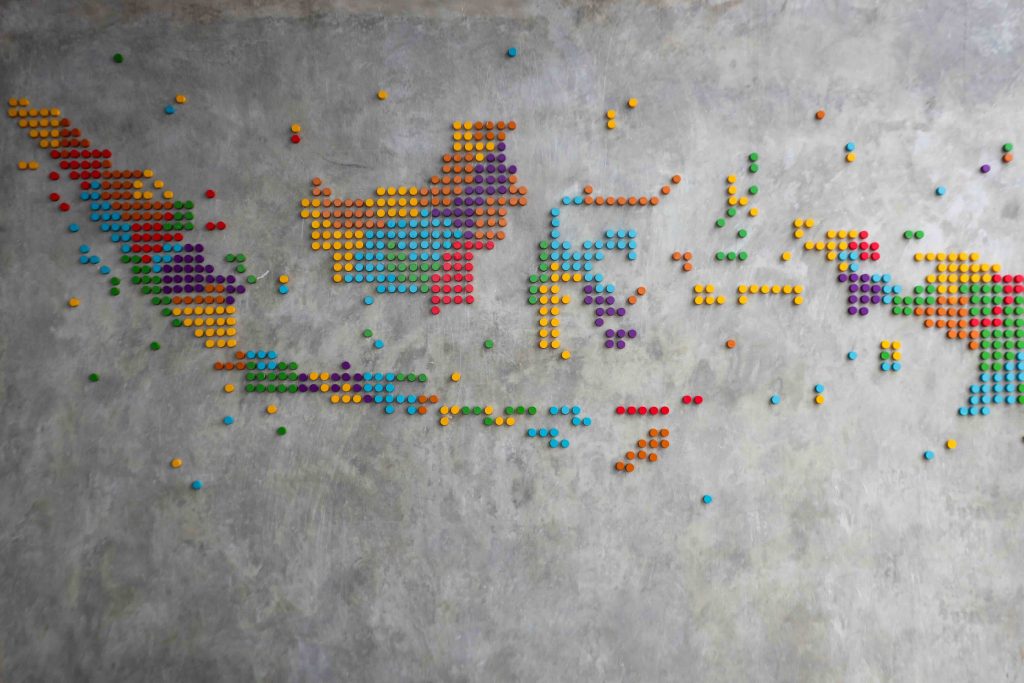
Marine, Coastal, and Small Islands Geospatial Data and Information Division
Developing spatial database systems to support the One Map Policy and high-quality, evidence-based policymaking.
Promoting the sharing and utilization of marine, coastal, and small island spatial data among stakeholders.
Developing coastal village potential maps to support local planning and sustainable development.
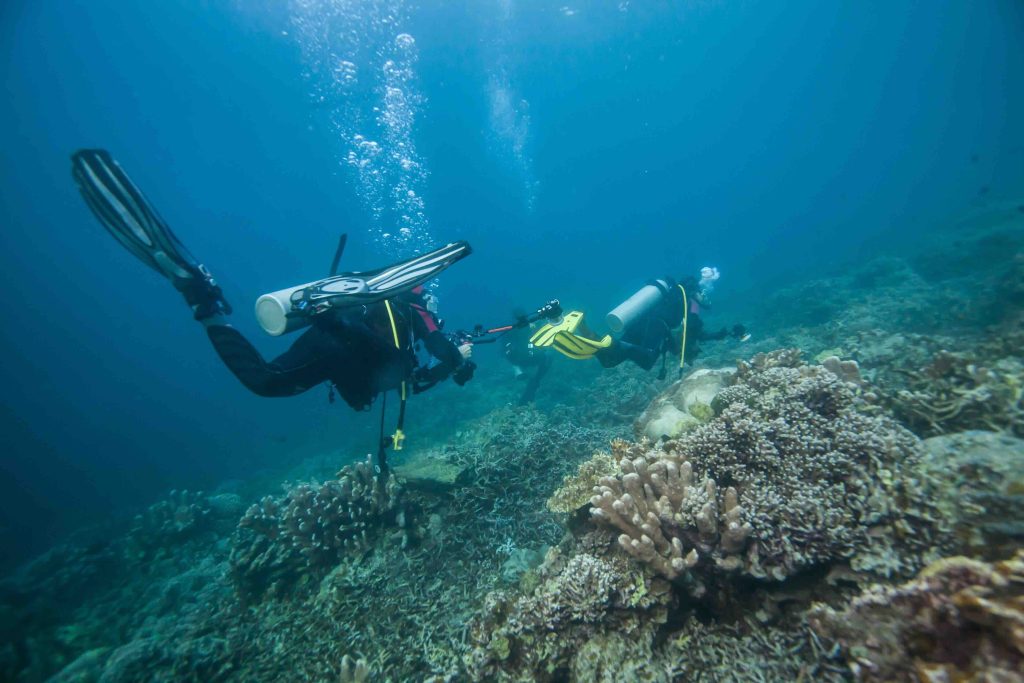
Conservation Division
Blue carbon research in seagrass meadows and mangrove ecosystems.
Designing and implementing coastal ecosystem restoration methods, including seagrass transplantation, coral reef restoration, and mangrove rehabilitation.
Restocking of economically important marine species and protection of high-value and potential ecosystems.
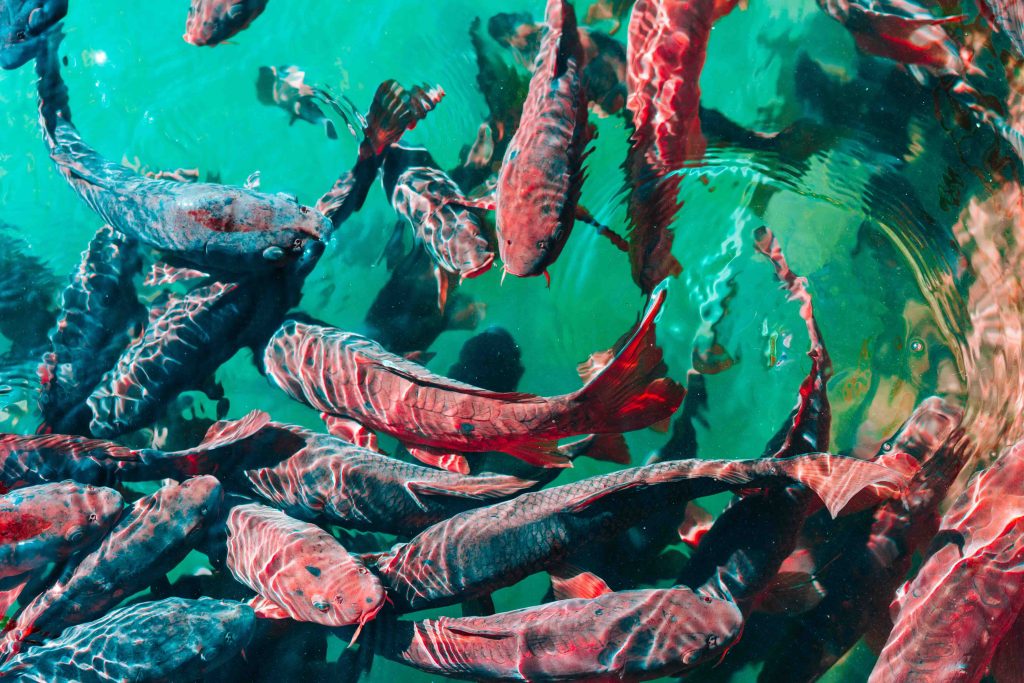
Marine Aquaculture Division
Development and assessment of floating net cage (KJA) structures and seaweed farming systems.
Community-based multi-trophic marine aquaculture approaches.
Silvofishery practices in mangrove areas to support sustainable production and ecosystem conservation.
Polyculture systems integrating fish and seaweed for improved productivity and environmental sustainability.
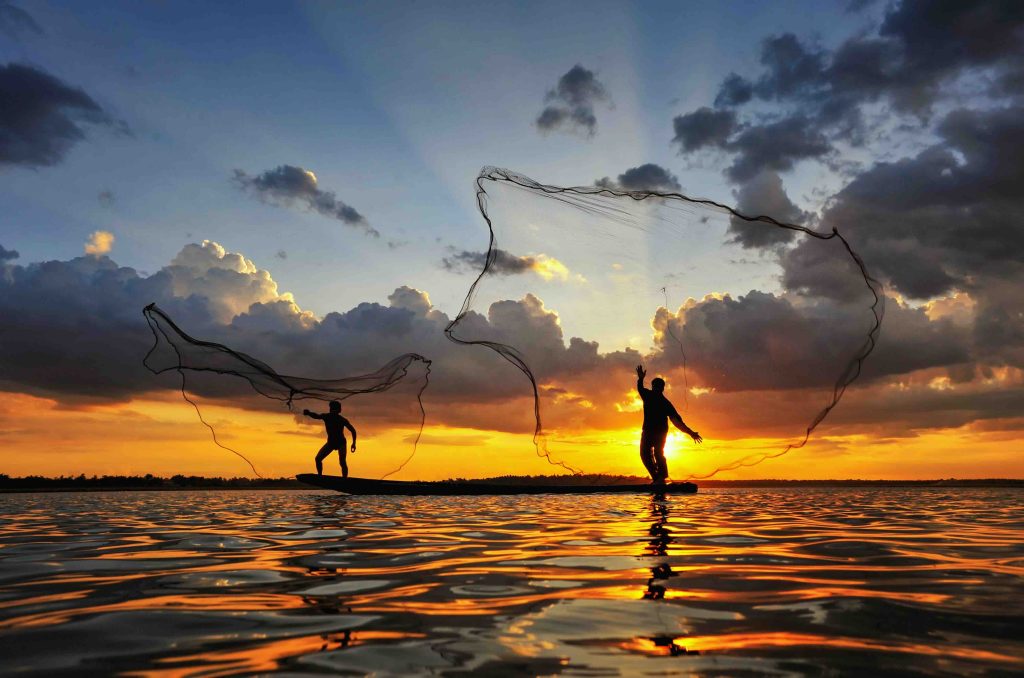
Capture Fisheries Division
Ecotourism Division
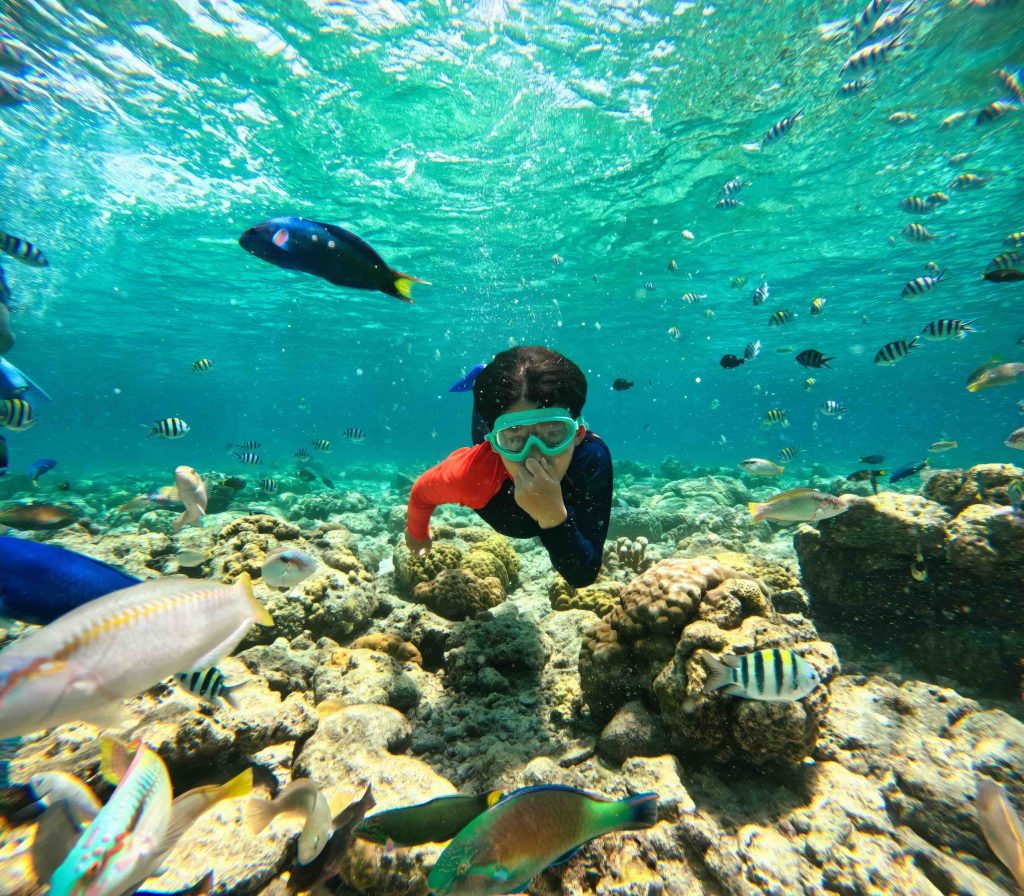
Exploration and assessment of potential marine and coastal tourism areas.
Designing carrying capacity models for small islands to support sustainable marine ecotourism development.
Development of sustainable marine ecotourism concepts based on ecosystem conservation and local culture.
Community-based ecotourism planning to enhance local livelihoods and participation.
Marine Pollution and Marine Debris Division
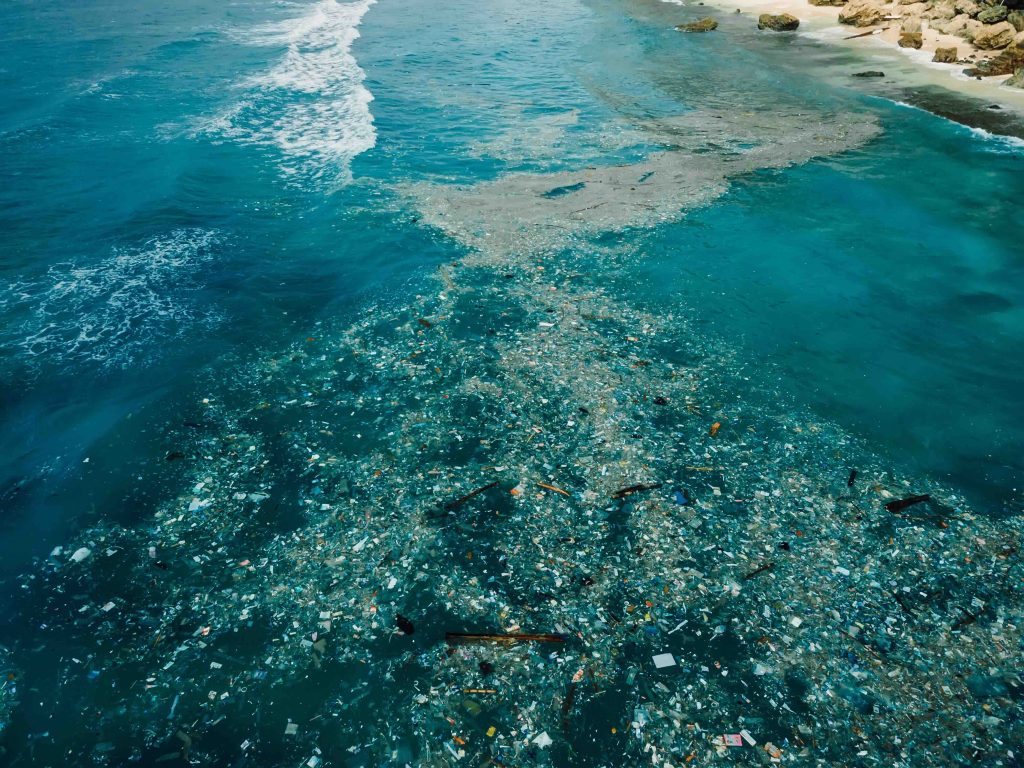
- Assessing the impacts of eutrophication on coastal ecosystems.
Developing prevention and mitigation strategies for eutrophication in marine environments.
Monitoring organic pollution in coastal waters.
Developing models for plastic waste control and management in marine and coastal waters.
Socio-Cultural, Legal, and Institutional Division
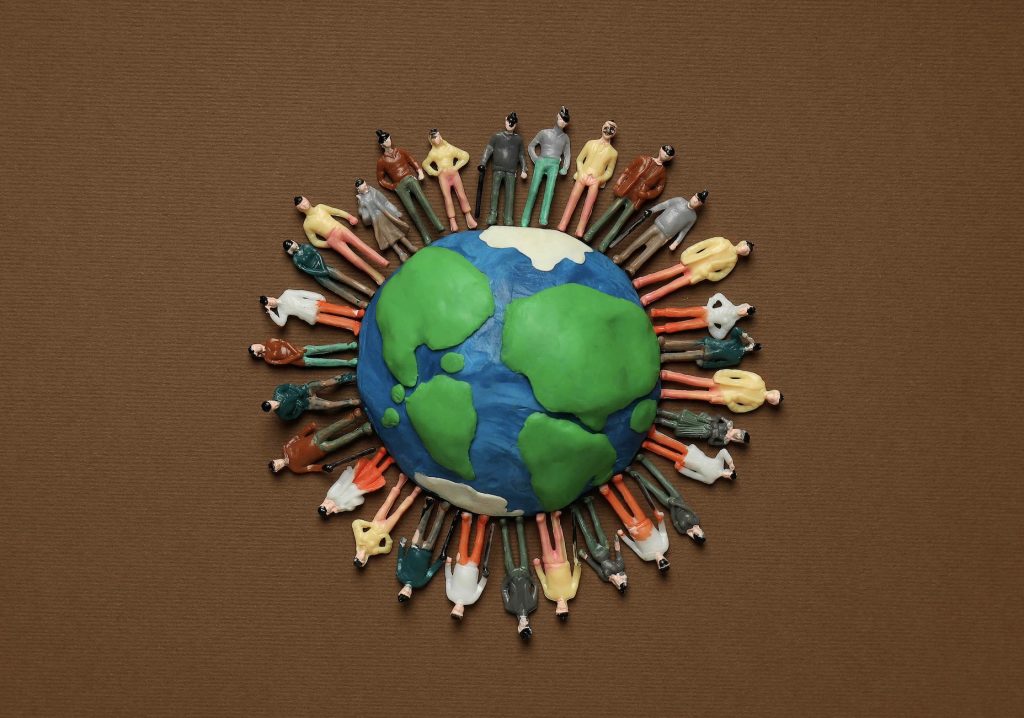
- Development of communication models for conflict resolution in marine and coastal resource management.
- Control and regulation of environmentally harmful activities in the utilization of aquatic resources.
- Bioprospecting studies of potential marine organisms to enhance resource utilization and economic value.
- Development of alternative livelihoods for fishers and coastal and small island communities.
- Policy studies on the sustainable use and governance of marine, coastal, and small island natural resources.
Coastal Community Capacity Building Division
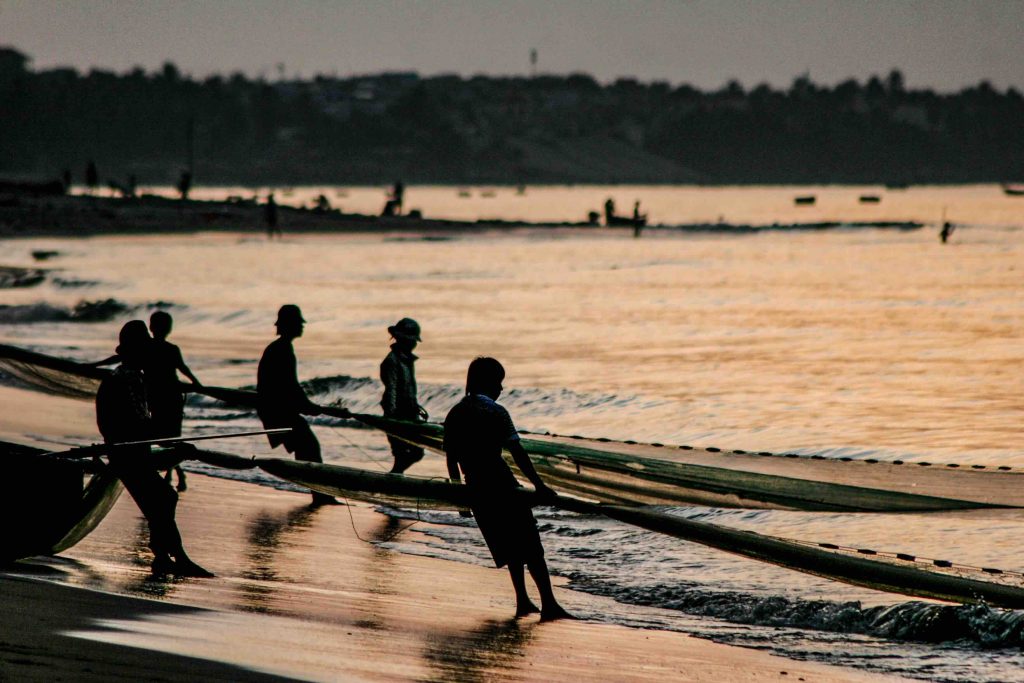
- Designing community-based marine tourism models to support sustainable coastal development.
- Designing transportation vessels to support marine aquaculture activities and marine tourism.
- Strengthening community-based monitoring and surveillance capacity for coastal resources.
- Scientific diving training to enhance marine tourism services and ecosystem monitoring.
- Capacity-building programs and training to support sustainable use of marine, coastal, and small island resources.